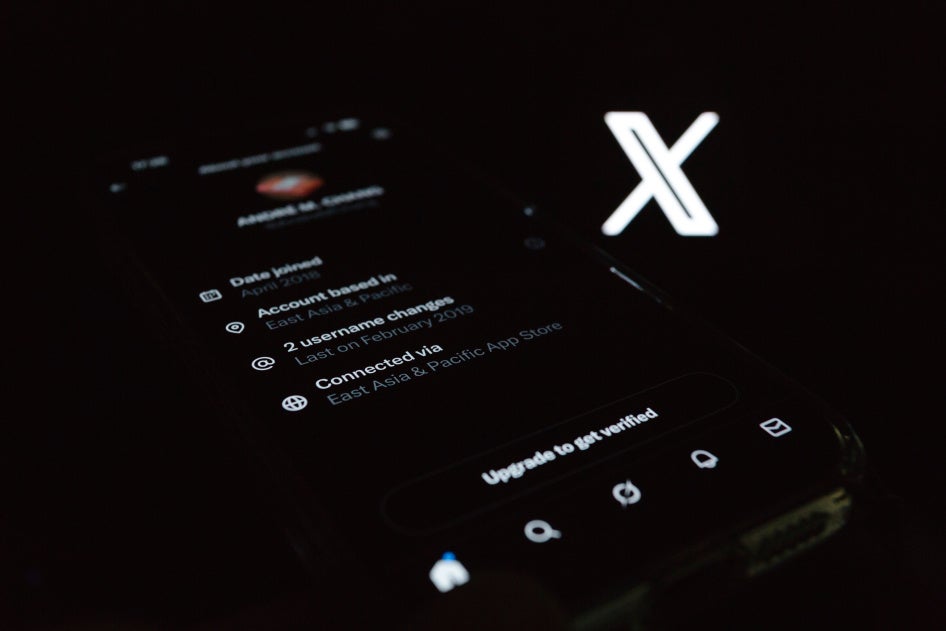
Since November 21, social media company X has been rolling out a new feature called “About this account,” which displays information about users that was previously not publicly disclosed. This includes the country where an account was created, is based, the date it joined X, and username changes.
The company says the feature is intended to verify authenticity and improve transparency, but it raises serious concerns about user privacy and safety. It exposes location information without meaningful user consent and lacks adequate human rights safeguards.
While the country display is the default setting on the feature, users can instead display a region “for those in countries where speech has penalties”. There appears to be no option for a user to hide their location entirely. It is not clear if the feature has been rolled out for users worldwide.
X is also developing a feature that warns if a user is connected through a Virtual Private Network (VPN) and flags their country or region “may not be accurate.”
These changes risk compromising anonymity for those whose safety depends on it. Online anonymity is fundamental for free speech and privacy. Combined with the growing threat of transnational repression, unmasking users’ locations and the proposed VPN detection could exacerbate safety risks for journalists, activists, and members of vulnerable communities who have fled their countries.
While X said the feature was meant to enhance transparency, reported inaccuracies in displayed location data, coupled with lack of information about the criteria used to determine these details, undermine its value. X noted that incorrect data will be “updated periodically based on best available information”.
Efforts to improve information integrity and enhance transparency should not expose individuals to harm, especially those who rely on anonymity for security.
X has not publicly stated whether it conducted a human rights impact assessment before introducing the feature, nor updated its privacy policy or informed users that their location data would be shared publicly. International human rights standards require companies to identify and mitigate human rights risks throughout the entire range of their business activities.
X should turn off the location feature or ensure users can opt-out and carry out human rights due diligence to avoid introducing features that threaten user safety.